
Rooted in Design: The Role of Houseplants in Sustainable Interior Design

Chosen theme: The Role of Houseplants in Sustainable Interior Design. Welcome to a warm, living home page where plants are more than decoration—they are partners in comfort, well-being, and resource-savvy design. Stay with us, subscribe, and grow your sustainable style.

Why Houseplants Belong in Sustainable Spaces

Plants can help reduce dust and add gentle humidity, which improves comfort and preserves materials that might otherwise crack. While ventilation and filtration remain essential for air quality, greenery contributes psychological relief and calm. Share your experience and subscribe for practical plant care updates.

Why Houseplants Belong in Sustainable Spaces

Research links indoor greenery to reduced stress and better focus, making rooms people cherish and maintain longer. When we love a space, we remodel less and waste less. Tell us how plants changed your home, and join our newsletter for biophilic tips.

Why Houseplants Belong in Sustainable Spaces

Strategically placed plants can soften glare, shade hot western light, and slightly improve perceived comfort through gentle humidity. These microclimate tweaks reduce reliance on blinds, small fans, and humidifiers. Try it for a week, then comment with your results.

Sustainable Sourcing and Materials

Responsible plant sourcing

Prefer locally grown plants to reduce transport emissions. Avoid wild-collected specimens, and ask growers about integrated pest management and peat-free practices. Select species suited to your light and climate to minimize energy, resources, and frustration. Comment with your trusted nurseries.

Peat-free soils and gentle nutrition

Peatlands store vast carbon, so opt for peat-free mixes using coco coir, compost, and bark. Feed with slow-release organic fertilizers, worm castings, or compost tea for steady growth. Subscribe for our peat-free potting mix recipe and seasonal feeding guide.

Low-impact pots and tools

Choose durable terracotta, recycled plastic, or reclaimed containers with proper drainage. Repair cracks with natural adhesives or repurpose vessels as cachepots. Use long-lasting tools, not disposable gadgets. Tag us with your favorite upcycled planters and inspire the community.

Water-Wise Care and Irrigation

Water deeply, less often, based on actual moisture—use your finger, a chopstick, or a simple meter to verify. Capture rainwater where permitted, and consider self-watering reservoirs for thirsty species. Subscribe for our printable watering tracker and seasonal reminders.

Water-Wise Care and Irrigation

Cluster plants with similar needs to stabilize humidity and reduce evaporation. Add a thin mulch of fine bark to large containers to slow moisture loss. Share your grouping layout, and we’ll highlight clever setups in next month’s community feature.

Water-Wise Care and Irrigation

I revived a soggy pothos by trimming blackened roots, replanting in airy, peat-free mix, and bottom watering only when dry. It bounced back with glossy leaves within weeks. Tell us your plant rescue story and subscribe for our troubleshooting checklist.

Water-Wise Care and Irrigation

Lorem ipsum dolor sit amet, consectetur adipiscing elit. Ut elit tellus, luctus nec ullamcorper mattis, pulvinar dapibus leo.
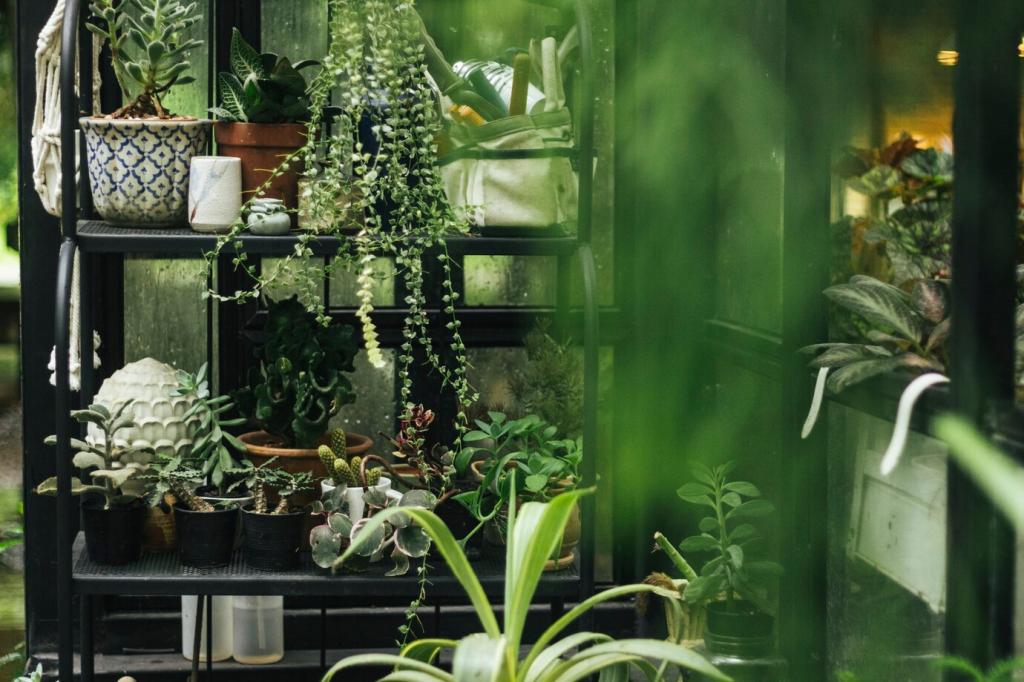
Light, Layout, and Energy Efficiency

Use daylight thoughtfully

Map light across the day before placing plants. Bright, indirect zones suit many species, while low-light corners welcome resilient options like ZZ plants. Fewer lamps needed means small energy savings. Share your light map and get feedback from fellow readers.

Plants as soft shades

Tall foliage can temper afternoon glare along west-facing windows, reducing eye strain and heat buildup. Train climbers on trellises to diffuse light without heavy curtains. Subscribe for our shading guide featuring species and placements that work beautifully.

Design lesson from a north window

I relocated a rubber plant to a bright north exposure and paired it with a mirror, bouncing light deeper into the room. The plant grew steadily, and we used fewer task lamps. Tell us your favorite light hack.

Circular Plant Culture

Create new plants from cuttings, divisions, or leaf starts, and refresh leggy specimens instead of buying replacements. Label dates to track progress. Subscribe for our propagation calendar and join our comments to trade advice with newcomers.

Circular Plant Culture

Plant swaps build community, diversify your collection, and keep pots, tools, and cuttings in circulation. Set simple rules about pest checks and labeling. Share photos from your swap, and we’ll spotlight creative exchanges on the blog.

Health, Safety, and Natural Maintenance

Research toxicity before buying and position risky species out of reach. Many beautiful options are non-toxic, but verification matters. Share your pet-safe favorites, and subscribe for our curated list with lighting and care notes.

Health, Safety, and Natural Maintenance

Quarantine new plants, inspect leaves weekly, and use simple controls like neem, insecticidal soap, or alcohol swabs for mealybugs. Consistent monitoring prevents outbreaks. Comment with your winning routine to help others stay chemical-light.
Protectixo
Privacy Overview

This website uses cookies so that we can provide you with the best user experience possible. Cookie information is stored in your browser and performs functions such as recognising you when you return to our website and helping our team to understand which sections of the website you find most interesting and useful.